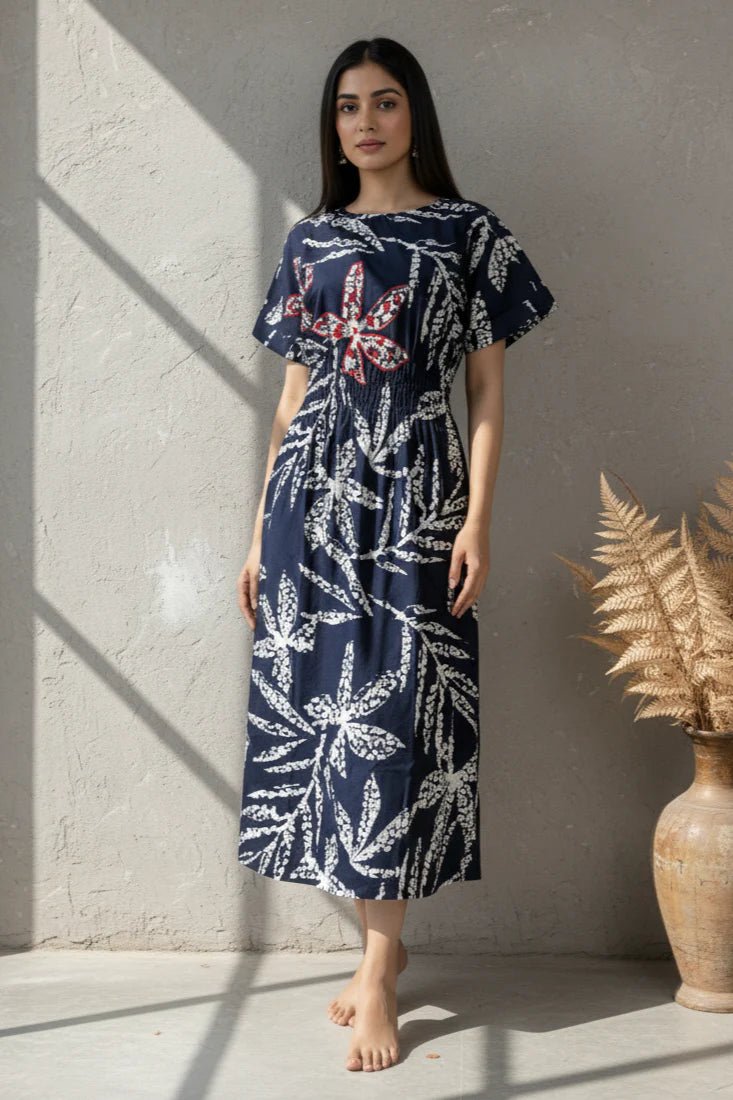
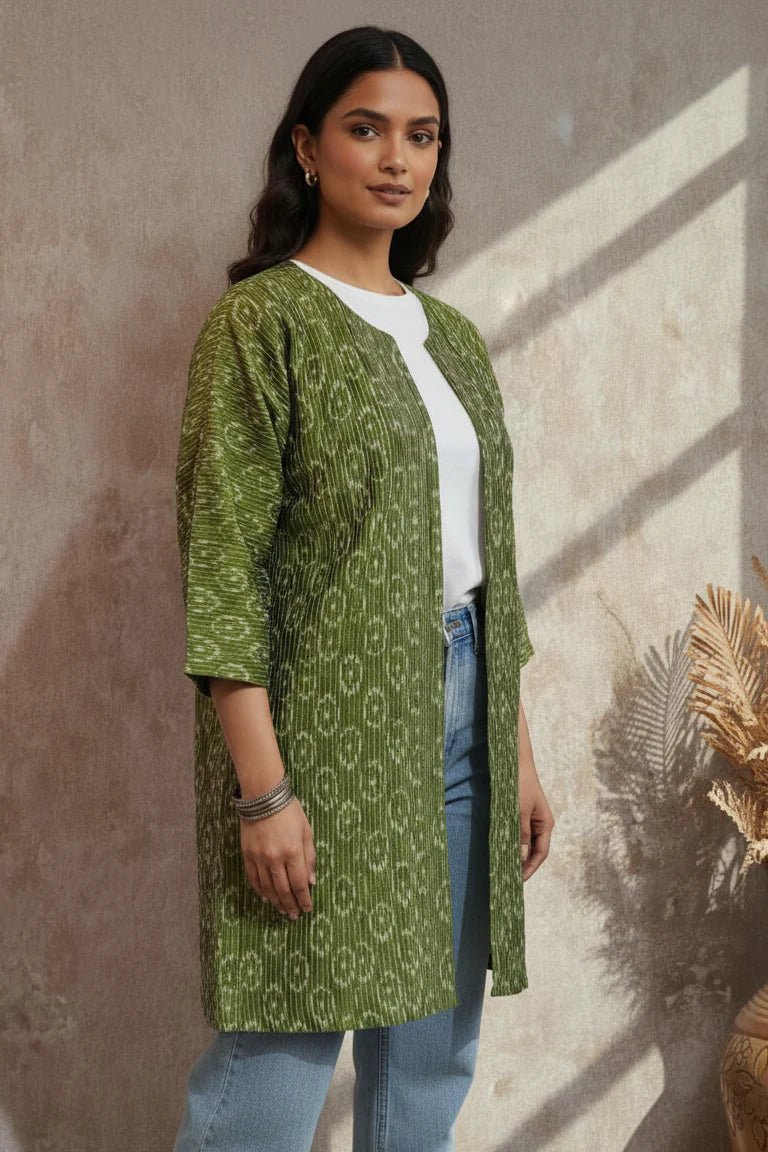
Most of what we make is cotton, linen, mul cotton, modal silk or handloom cloth. That is a choice, and it deserves a straight explanation, including the parts that are less simple than “natural good, synthetic bad”.
What we mean by natural
Cotton comes from the seed pod of the cotton plant. Linen comes from the stalk of the flax plant. Silk is spun by silkworms. These fibres have been woven into cloth for thousands of years, and they share one useful quality: they breathe.
Why it matters in an Indian summer
- Cotton and linen take up moisture from your skin and let it evaporate, so you feel less damp on a hot, humid day.
- Mul cotton is woven very fine and open, which makes it one of the lightest, coolest cloths you can wear.
- Most natural fabrics get softer with every wash, instead of feeling the same on day one and day one hundred.
- They stay comfortable through a full day, from a warm commute to an air-conditioned office.
Where modal and Tencel fit
Here is the honest part. Modal and Tencel (also called lyocell) are plant-based, but they are not natural in the way cotton is. Wood pulp is dissolved and spun into a new fibre in a mill. We use them because they give a softness and drape that cotton cannot, and because they are still made from plant cellulose, the same material as cotton and linen, so they breathe well. We simply think you should know what they are.
Where synthetics still make sense
Polyester and nylon are made from petroleum. They are strong, dry quickly and cost less, and they are the right choice for swimwear, rainwear and sportswear. For everyday clothes in the heat they tend to feel warmer, because they take up very little moisture. They also release tiny plastic fibres into the water each time they are washed, which is one reason many people are choosing less of them.
How to tell what you are buying
- Read the label for the fibre content. “100% cotton” tells you more than “cotton feel”.
- Be careful with words like “silk-like”, “linen-look” and “soft-touch”. They usually describe a synthetic made to imitate something else.
- A price that seems too low for linen or silk often means a blend.
- Ask the seller. A good one is glad to tell you.
What we do
Every piece shows its fabric on the product page, so you know before you buy. Almost everything we make is cotton, linen, mul, modal silk or handloom cloth, with a few exceptions. The product page names the fabric of each piece.
What “breathable” really means
Breathability is about how easily air and moisture move through cloth. The fibre matters, but so does the weave. An open, light weave lets air pass, and a dense one does not. That is why a thin cotton can feel cooler than a heavy linen, and why “natural” alone does not guarantee a cool garment.
A quick tour of the fibres
- Cotton: soft, absorbent and easy to care for.
- Linen: strong, dry and cool to the touch, and it creases.
- Mul: a very fine cotton, the lightest of all.
- Silk: lustrous and smooth, and more delicate.
- Modal and Tencel: smooth, fluid, plant-based fibres made in a mill.
Questions people ask
Is polyester always bad?
No. It is useful where strength, quick drying or water resistance matter. It is simply not our first choice for clothes worn close to the skin in the heat.
Are modal and Tencel sustainable?
It depends on how the wood is sourced and how the mill is run, so we do not make a blanket claim. Look for certification and ask the seller.
Do natural fabrics cost more?
Often, yes. Good fibre and careful weaving cost more. If the cloth lasts, the cost per wear is lower.
Do they shrink or crease?
Some do. Follow the wash instructions and expect a little character. That is the trade-off for comfort.
Pieces in natural and plant-based fabrics
-
Sale!

Mul Cotton Dress Elin
Original price was: ₹4,500.₹3,375Current price is: ₹3,375. Select options This product has multiple variants. The options may be chosen on the product page -
Sale!
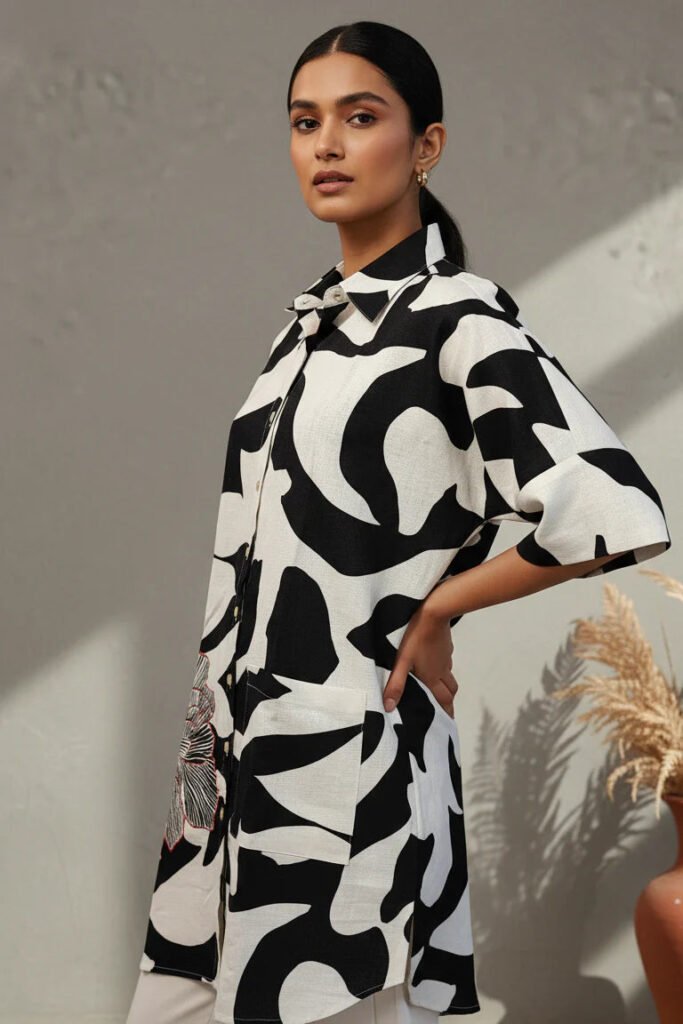
Abstract Co-ord Set Regina
Original price was: ₹5,500.₹4,125Current price is: ₹4,125. Select options This product has multiple variants. The options may be chosen on the product page -
Sale!
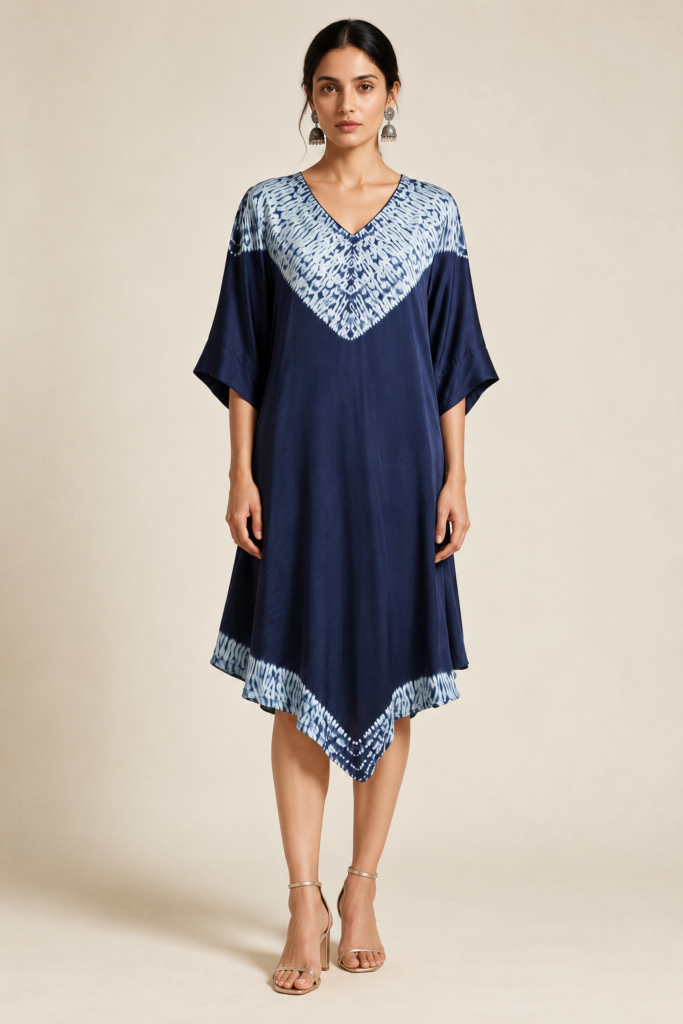
Modal Silk Shibori Dress Asymmetric Tori
Original price was: ₹5,500.₹4,125Current price is: ₹4,125. Select options This product has multiple variants. The options may be chosen on the product page
Want to know how each cloth feels and what to wear it with? Read the fabric guide, or start with our pieces in modal silk and in cotton, linen and mul.